
Garbage Vulnerable Points (GVP)
Under The Solid Waste Management Rules, 2026 - Garbage Vulnerable Points (GVPs) or "dark spots" are locations where uncollected waste is repeatedly dumped or littered. The rules mandate the strict GPS-mapping, digital monitoring, and complete elimination of these vulnerable sites by local and district authorities.
Identification & Mapping of GVPs
> Definition : Areas prone to chronic illegal open dumping by residents, commuters, or street vendors.
> Mandatory Geotagging : Urban Local Bodies (ULBs) and village councils must geographically map all GVPs and legacy dumpsites using mobile apps and GPS.
> Deadline for Assessment: All existing GVPs must be fully assessed, cataloged, and uploaded to the centralized online tracking portal.
Common Locations for GVPs
> Urban Fringes & Slums : Densely populated or informal settlements lacking regular door-to-door collection.
> Water Bodies & Drains : Points where waste ingress clogs nallahs, storm water drains, or streams.
> Open Spaces & Back Lanes : Vacant plots, under-bridge areas, and unmonitored street corners.
Compliance and Remediation Action
> Assigned Accountability : Specific sanitation workers or local council members are assigned supervisory responsibility for each mapped GVP.
> Technology Interventions : Deployment of surveillance (such as CCTV cameras) and monitoring via apps to deter repeat dumping.
> Enforcement: Application of spot fines and penalties under the "Polluter Pays" principle for violators caught littering at these sensitive locations.
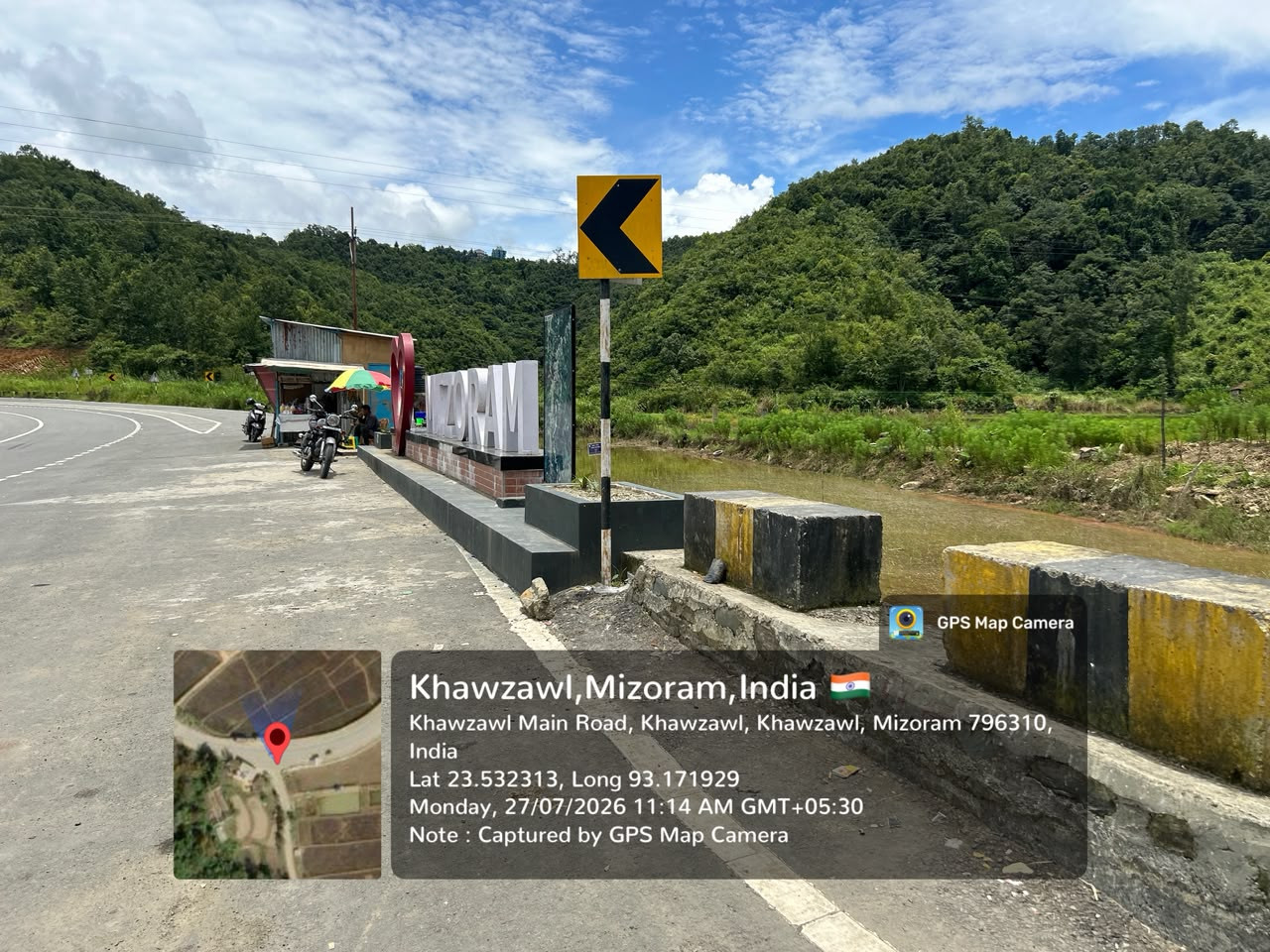 |
| 1. I Love Mizoram, Tuisenphai |
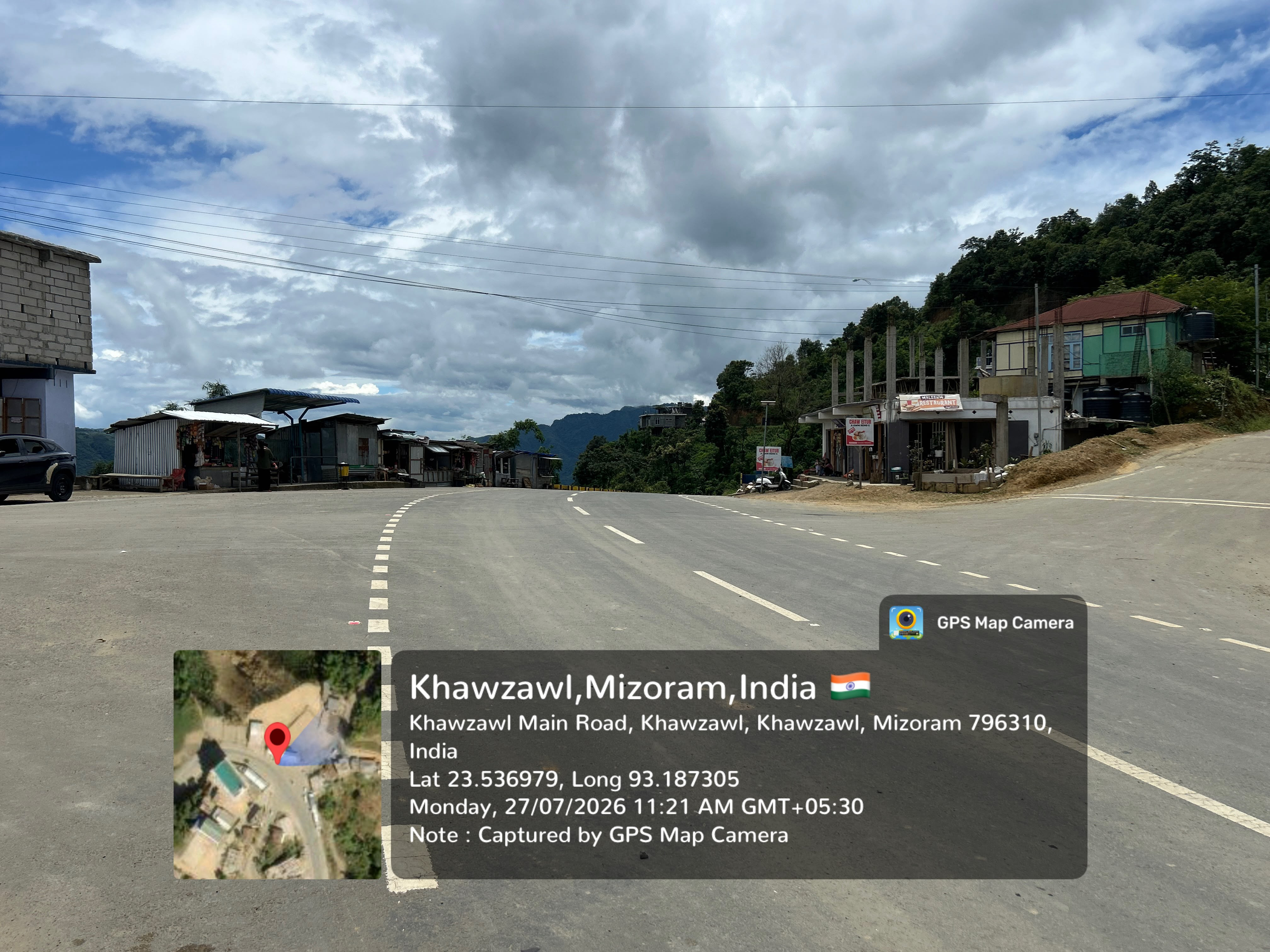 |
| 2. Lungvar Highway Junction |
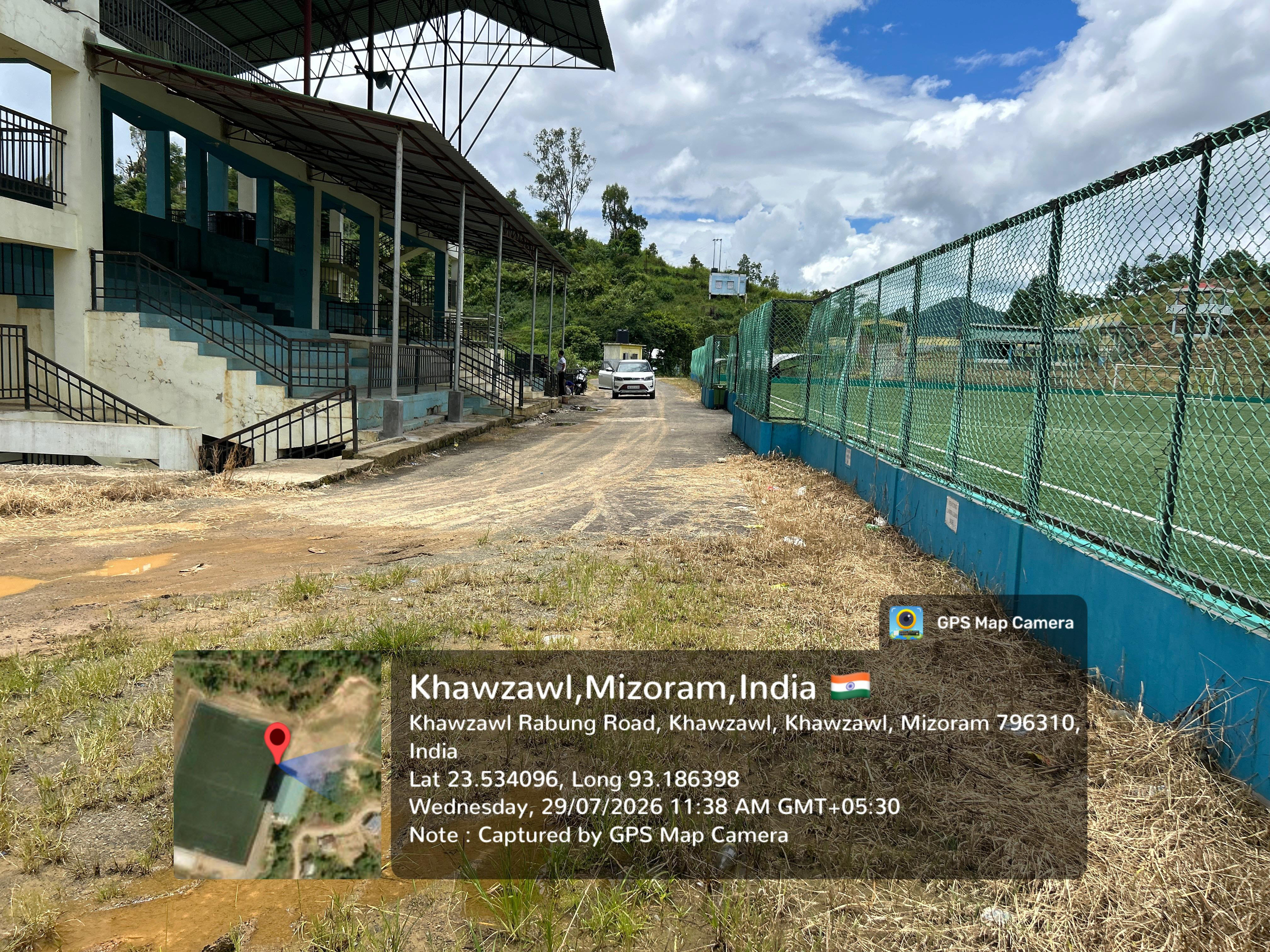 |
| 3. Mualvawm Playground Area |
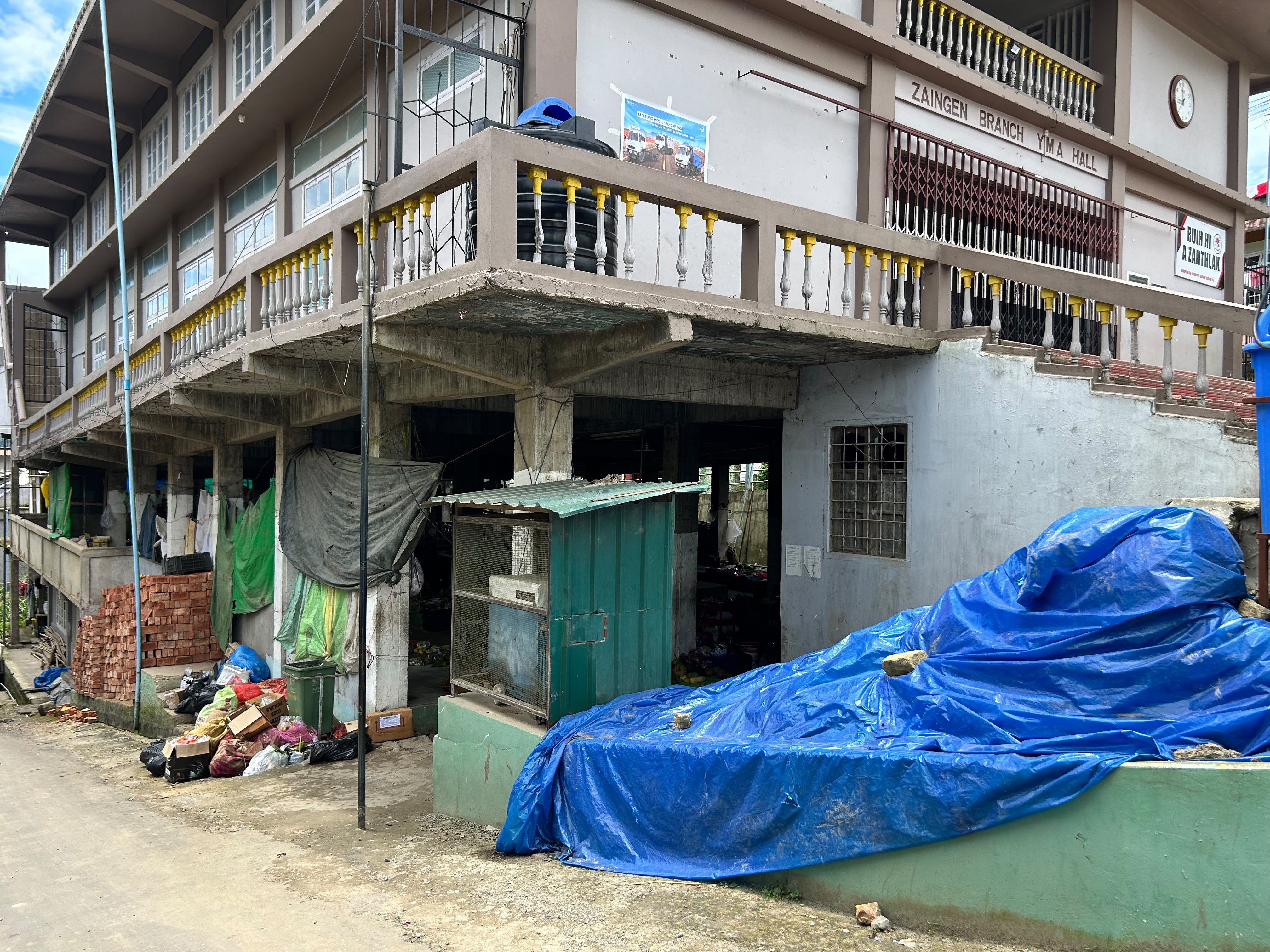 |
| 4. Taidawnkawn Bazar |
Attachment